
A different approach to treating depression.
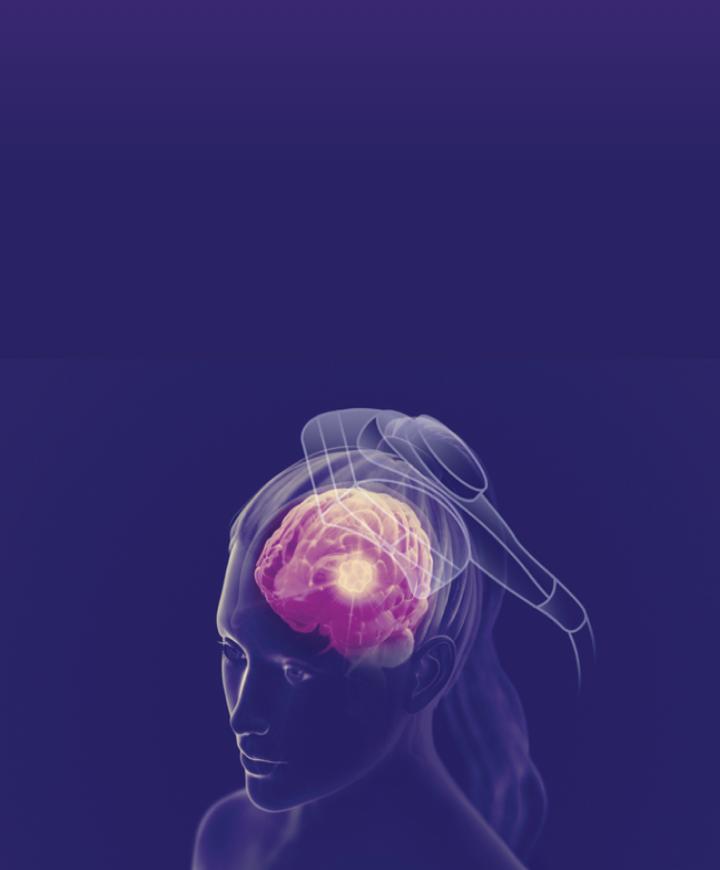
TMS (transcranial magnetic stimulation) is an FDA-cleared, non-drug treatment for major depression. It uses focused magnetic pulses, similar to an MRI, to stimulate the areas of the brain that regulate mood. We offer NeuroStar TMS therapy at our Woodbridge, Virginia office, serving the surrounding Northern Virginia area.
A new possibility for the treatment of depression
If you’re like so many who suffer from depression, you have tried multiple medications or therapies searching for relief. These treatments don’t deliver satisfactory results for everyone, and they often come with significant side effects that only add to the struggle. It can be an exhausting cycle of trial and error that feels never ending.

About NeuroStar TMS
It is not a drug, “shock” therapy, or surgery. It is a safe, effective treatment for MDD.
There are specific areas in your brain that control mood. When synapses in those mood-regulating areas are underactive, connections are broken and depression can result. NeuroStar revitalizes those dormant synapses, “waking up” the brain to function as it was meant to.

Depression treatment that works for you
If you have been diagnosed with MDD (Major Depressive Disorder), and have not experienced relief from antidepressants, NeuroStar may be right for you. NeuroStar is not a drug. It is not another form of shock therapy or surgery. And it has none of the common side effects associated with medications.
NeuroStar is an in-office treatment lasting as little as 19 minutes per daily session over the course of 6 weeks. Request a consultation to see if NeuroStar is right for you.

How soon will you see results?
Many NeuroStar patients start to see improvement within 2 to 3 weeks of treatment. That can include changes in mood, fewer days of depression, and increased desire to engage with other people more often. In fact, your friends and family may notice your results before you do!
As with any therapy, completion is key. Completing the full 6-week course of NeuroStar treatment gives the best chance for delivering long lasting relief from depression.
A safe and effective treatment for depression
Over 9 million NeuroStar Advanced TMS treatments have been performed in over 250,000 patients.
NeuroStar Advanced TMS treatments performed.
Patients treated with NeuroStar.
Response rate in a real-world study.
Remission rate in the same real-world study.
A real-world study reported an 83% response rate. This means that 83% of patients that completed their NeuroStar treatment cycle saw measurable improvement in their depression symptoms.
The same real-world study reported a 62% remission rate. This means that 62% of patients that completed their NeuroStar treatment cycle likely wouldn’t be diagnosed with MDD if they were first being evaluated by their doctor.
How NeuroStar works
Important Safety Information
The most common side effect is pain or discomfort at or near the treatment site. These events are temporary; they occur during the treatment course and do not occur for most patients after the first week of treatment. There is a rare risk of seizure associated with TMS therapy (less than 0.1% per patient). NeuroStar should not be used with patients who have non-removable conductive metal in or near the head.
Learn more at NeuroStar.com.
